
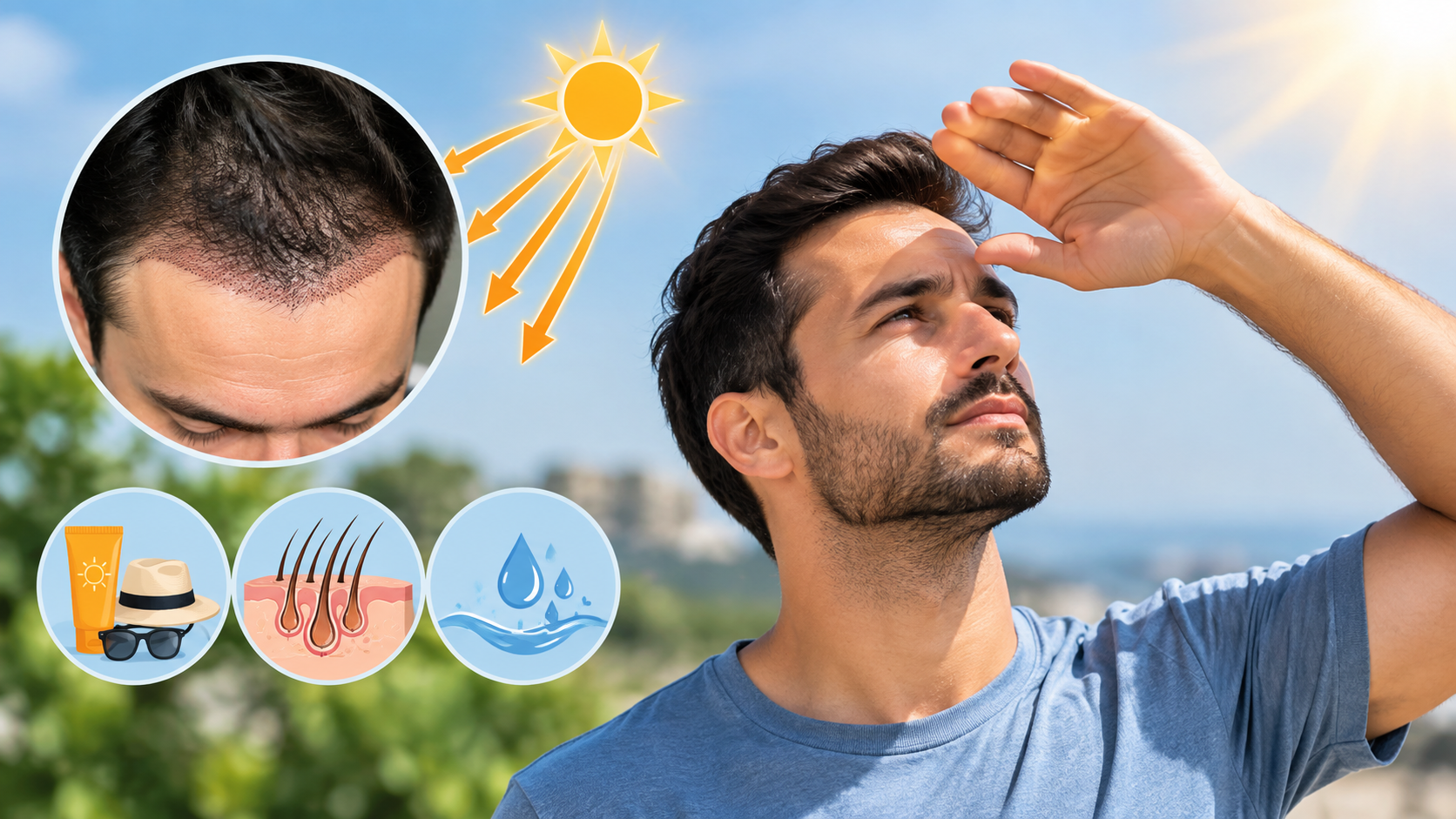
Getting a hair transplant done just before summer sounds harmless enough—until you realize your scalp is now the most sun-sensitive part of your body. Patients who book their hair transplant surgery in Jaipur during the warmer months often ask the same thing during follow-up visits: will the heat and sun ruin my results? It’s a fair worry, and the honest answer sits somewhere between “not really” and “yes, if you’re careless about it.”
Let’s break down what’s actually happening under the surface and what you can do about it.
What Sunlight Does (and Doesn’t Do) to New Grafts
Transplanted hair follicles don’t stop growing because of a hot afternoon. Growth is driven by blood supply, graft survival rate, and how well the surgery was performed—not by weather. That part is reassuring.
- What sun exposure can do, though, is complicate the healing environment around those grafts:
- The scalp skin, still recovering from tiny incision wounds, burns faster than usual.
- UV exposure can worsen redness and prolong visible healing.
- Sweat combined with sun can irritate the transplanted area.
- Overheating may cause discomfort that leads people to touch or scratch the scalp—which is genuinely risky in the first two weeks.
- Long-term, unprotected sun exposure can eventually affect skin pigmentation on the scalp.
So it’s less about the sun “killing” grafts and more about it slowing down a smooth recovery.
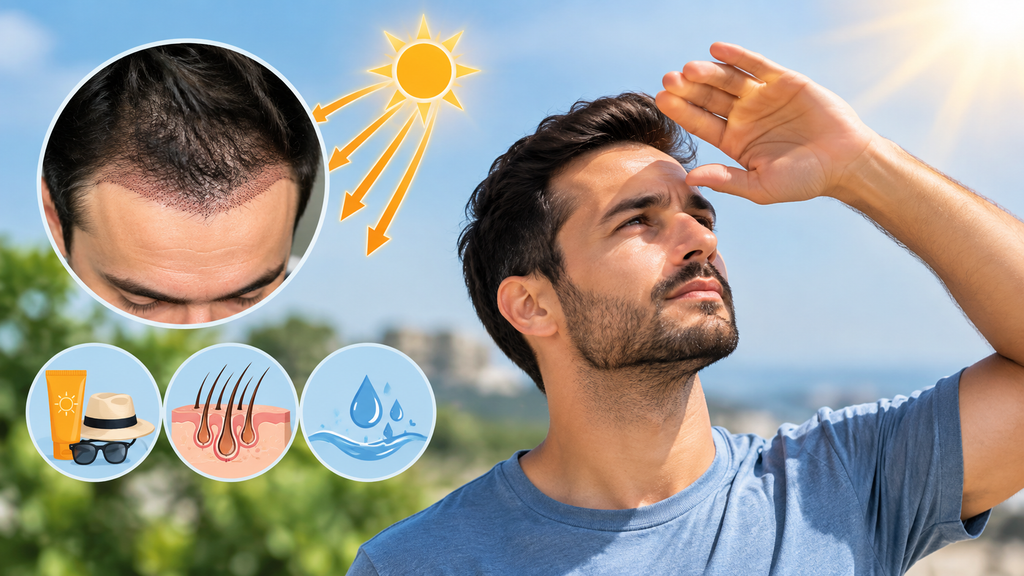
Timing Matters More Than People Think
The first 10–14 days after surgery are the danger zone. Grafts are still settling into place, and the scalp is basically an open wound on a micro level. Every reputable hair transplant surgeon in Jaipur will tell you the same thing: stay out of direct sunlight completely during this window if you can help it.
Dr. Aakansha Vashistha frequently points out to patients that summer surgeries aren’t a problem in themselves—the issue is people underestimating how much discipline the aftercare requires when the weather isn’t cooperating. A transplant done in June needs the same care as one done in December; it just takes a bit more planning.
A Realistic Summer Aftercare Checklist
Here’s a practical list patients can actually follow without overcomplicating things:
- Step outside only during early morning or late evening hours for the first two weeks.
- Use a soft, loose-fitting hat once your surgeon gives the green light—never a tight cap.
- Hold off on sunscreen directly on the scalp until your surgeon confirms it’s okay.
- Drink more water than usual; heat plus healing tissue needs extra hydration.
- Cut back on intense exercise that causes heavy sweating early on.
- Delay pool and ocean visits until you’re fully cleared.
- Keep car windows up during long drives, since UV still passes through glass.
Separating Myths from Reality
A lot of patients assume one accidental sunny walk will “ruin” months of results. That’s simply not true. Occasional, brief exposure isn’t catastrophic—it’s the repeated, unprotected exposure over days and weeks that adds up. The goal isn’t to become a hermit for a summer; it’s to be sensible during the specific recovery window when the scalp is most fragile.
Conclusion
Sunlight isn’t the enemy of a successful hair transplant, but it does demand a bit more respect during the healing phase, especially if your procedure falls in peak summer. A little shade, some patience, and following your surgeon’s aftercare instructions will carry you through just fine. Anyone weighing their options for hair transplant surgery in Jaipur this season should simply factor seasonal care into the plan from day one—the results are worth the extra caution.