
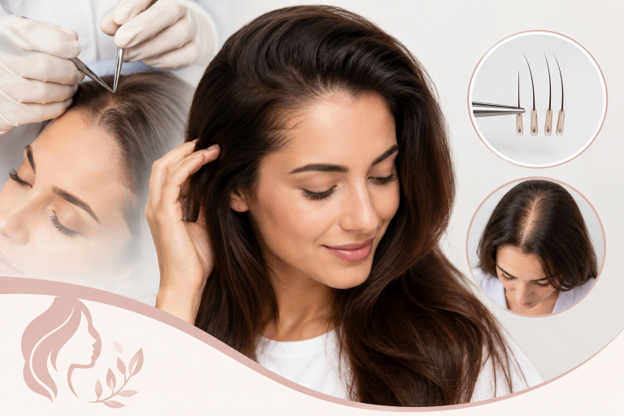
While the image of hair loss is typically male, countless women experience thinning, widening part lines, and patchy bald spots. For those experiencing thinning hair loss, a female hair transplant might be a viable option. With the latest surgical developments, hair transplantation for female users has evolved into a favored procedure in India today, presenting natural and long-lasting results. If you want to regain your confidence, it’s important to know how the process works, so you can determine if it’s the best solution.
1. Can Women Really Get a Hair Transplant?
Absolutely. Women who have permanent hair loss due to genetics, scarring, trauma, or some medical condition may also be good candidates for a hair transplant. As opposed to stress and nutritional deficiencies, which cause temporary hair loss, permanent hair loss needs a more advanced treatment process.
The main point to getting the best results is to have a detailed consultation to determine the cause of hair loss before planning a procedure.
2. How Does a Female Hair Transplant Work?
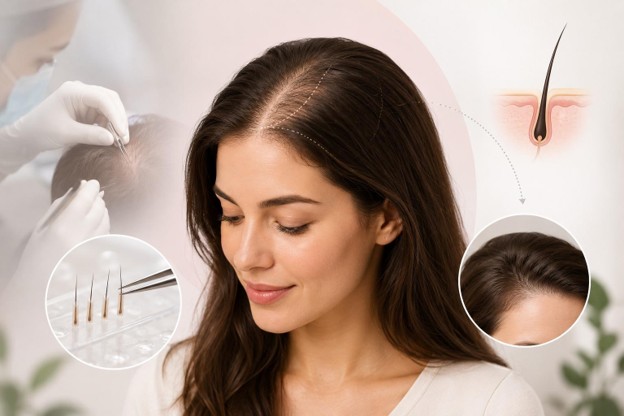
A female hair transplant is a procedure that removes healthy hair follicles from a donor area, typically the back or sides of the scalp, and then carefully positions them at the hair thinning or balding area. The transplanted follicles will not experience hair loss; they will grow on their own after the healing period.
New methods like Follicular Unit Extraction (FUE) keep scarring to a minimum and reduce downtime while delivering natural density and a natural appearance. The surgeon meticulously plans the hairline and meticulously lays each graft in place in order to achieve a natural look, while taking into account the patient’s facial characteristics.
To allow for a more thorough assessment and superior hair restoration treatment, Dr. Aakansha Vashistha develops customized plans for every hair loss pattern and cosmetic objective.
3. Who Is a Good Candidate?
Women who are recommended for a hair transplant are
- Have consistent hair fall with an adequate source of hair.
- Skin irritation from thinning in certain parts of the body.
- If hair loss is caused by trauma, burns, or previous surgeries.
- Have healthy attitudes and expectations.
Not all women who end up with hair fall are suitable candidates. Surgical treatment is recommended initially in cases of temporary shedding due to hormones, thyroid disorder, or nutritional deficiency.
4. Recovery and Results
The convalescent period is generally simple. There may be some swelling, redness, or tenderness for a few days after this procedure. Most patients will be able to return to normal within a week, and new hair will start to grow after 3 to 4 months. Typically, these results can be seen in about 9-12 months.
After the surgery, following the surgeon’s post-surgery recommendations, practicing a healthy lifestyle, and attending follow-up appointments are important factors in achieving the best outcome.
5. Why More Women Are Choosing Hair Transplants
The technology of hair restoration has come a long way in the years. Today’s techniques are very non-invasive and result in little or no visible scarring. As awareness increases, more and more women opt for this permanent treatment rather than just using temporary treatments, wigs, or cosmetics.
Conclusion
Hair loss in women can be a life-changing event, and a female hair transplant may be the solution. An experienced specialist can help decide whether or not you are an appropriate candidate for a hair transplant, as well as what results you can expect to achieve, if you are considering getting a hair transplant for women. With the right treatment plan and expert care, it’s possible to not only restore your hair but your confidence as well.